When a major central bank quietly moves billions of dollars’ worth of gold, precious metals investors should pay attention.
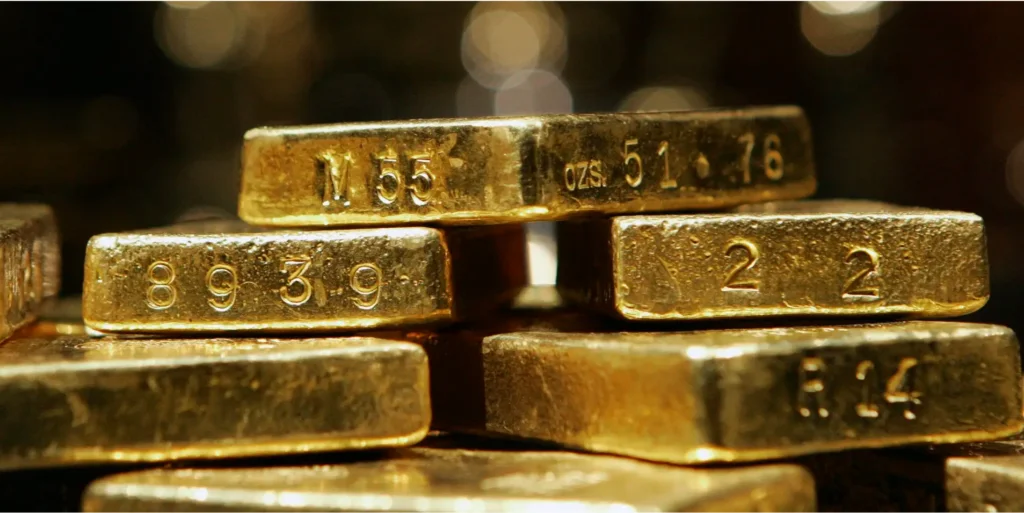
The Netherlands has moved approximately 86 metric tonnes of its national gold reserves away from storage in the United States and Canada, substantially increasing the amount of Dutch gold positioned in London.
The move took place between March and August 2026 and represents more than a quarter of the nearly 313 tonnes of Dutch gold previously stored in North America.
Officially, De Nederlandsche Bank (DNB), the Dutch central bank, describes the decision as a way to improve the tradability, geographic diversification, resilience, and crisis preparedness of the country’s gold reserves.
Those are reasonable explanations.
But they also raise an important question:
Why is one of Europe’s major central banks making its gold easier to access and deploy during a crisis right now?
For anyone who owns gold and silver—or has been considering buying precious metals—the answer deserves a closer look.
The Netherlands Still Owns More Than 600 Tonnes of Gold
The Netherlands isn’t selling off its national gold reserve.
Quite the opposite.
DNB continues to hold approximately 612.4 tonnes of gold, valued at €72.2 billion at the end of 2025. What changed is where that gold is located and how quickly the central bank believes it could use it during a serious financial crisis.
Before the recent changes, Dutch gold was distributed approximately as follows:
- 31.3% in New York
- 19.7% in Ottawa
- 18.1% in London
- 30.8% in the Netherlands
After the relocation:
- 18.5% is in New York
- 18.5% is in Ottawa
- 32.1% is in London
- 30.8% remains in the Netherlands
That makes London the largest foreign storage location for Dutch gold.
And that wasn’t accidental.
Why London?
London remains one of the world’s most important centers for trading physical gold.
Gold stored at the Bank of England can meet the international standards necessary for efficient institutional trading and settlement. In a severe financial crisis, DNB believes gold held there can be mobilized more quickly than metal stored in New York or Ottawa.
The mechanics of the move are also interesting.
DNB didn’t simply load 86 tonnes of bullion onto airplanes and fly it across the Atlantic.
Approximately 59 tonnes of gold held in New York were sold and replaced with qualifying gold in London. More than 27 tonnes were physically transported from the United States and Canada to the Netherlands, while a similar quantity of internationally tradable gold was moved from the Netherlands to London.
That allowed DNB to avoid unnecessarily melting and recasting older bars while simultaneously testing different methods of relocating national gold reserves.
That last point shouldn’t be overlooked.
DNB specifically said that gaining experience with multiple methods of moving gold could be useful if another relocation becomes necessary during a future crisis and one method is no longer available.
Central banks prepare for risks they believe are possible.
Gold Is Still the “Anchor of Trust”
Perhaps the most important part of the announcement wasn’t the number of tonnes moved.
It was how the Dutch central bank described gold itself.
DNB calls gold an “anchor of trust” and says it is particularly well suited for protecting against extreme systemic risks.
DNB Governor Olaf Sleijpen explained that the bank expects it will never need to use the gold but nevertheless needs to strengthen its resilience and preparedness.
Think about that for a moment.
After decades of electronic banking, fiat currencies, enormous sovereign debt markets, cryptocurrencies and increasingly digital payment systems, one of Europe’s central banks still maintains more than 600 tonnes of physical gold as protection against an extreme failure of the financial system.
That tells investors something important.
Gold still matters when confidence matters most.
Central Banks Are Treating Gold as Strategic Money
The Dutch move is part of a much larger conversation taking place around the world.
Central banks don’t hold gold because it pays interest. It doesn’t.
They hold it because physical gold has characteristics few other reserve assets possess.
Gold has no corporate issuer. It cannot go bankrupt. It doesn’t depend upon the promise of a government to repay a bond. Physical bullion held directly does not require a commercial bank to remain solvent, and gold has served as a recognized store of value across currencies, governments and financial systems for centuries.
That becomes particularly important during periods of geopolitical instability.
The freezing of Russian foreign-exchange reserves following Russia’s invasion of Ukraine dramatically demonstrated that sovereign reserve assets held abroad can become entangled in geopolitical conflict.
Whatever someone’s political opinion about those actions may be, the monetary lesson was unmistakable:
Where a country’s reserves are held matters.
There is historical precedent beyond Russia as well. Disputes surrounding Venezuela’s gold stored at the Bank of England demonstrated how questions of government recognition and international politics can affect access to sovereign gold held outside a country’s borders.
Moving Dutch gold to London certainly doesn’t eliminate geopolitical risk.
But it does show that the Netherlands is thinking carefully about where its gold is located, how quickly it can be traded, and how it could be used during an extreme crisis.
Those aren’t trivial concerns.
What Does This Mean for Individual Gold and Silver Investors?
Individual investors obviously don’t operate like central banks.
But there is a lesson here.
Central banks diversify reserves because they understand that relying entirely on one asset, currency, institution or financial system creates risk.
Individuals should at least consider the same principle.
Physical gold and silver can provide a form of diversification that stocks, bonds and cash cannot completely duplicate.
That doesn’t mean someone should put every dollar into precious metals. Gold and silver prices fluctuate, sometimes substantially, and precious metals should generally be considered within the context of someone’s overall financial position and objectives.
But owning physical gold and silver bullion provides exposure to tangible assets outside the traditional paper financial system.
And today there are several reasons investors are taking that idea seriously.
Why Now May Be One of the Most Important Times to Own Gold and Silver
Gold has already experienced a major increase in value, and that inevitably causes some investors to wonder whether they have “missed it.”
That may be the wrong question.
The more important question is what conditions drove investors and central banks toward gold in the first place—and whether those conditions have disappeared.
They haven’t.
Government debt remains enormous. Geopolitical tensions remain elevated. Currency and monetary-policy uncertainty haven’t vanished. Central banks themselves continue treating gold as an important reserve asset. And the Dutch central bank is now explicitly improving the accessibility of its gold in preparation for severe crises.
Gold isn’t valuable simply because its price is rising.
Gold becomes especially important when confidence in currencies, governments, debt markets or financial institutions is being questioned.
Silver adds another dimension.
Unlike gold, silver combines monetary and investment demand with extensive industrial use. That means investors buying physical silver gain exposure to a precious metal that historically functions as a store of value while also being consumed across numerous industrial applications.
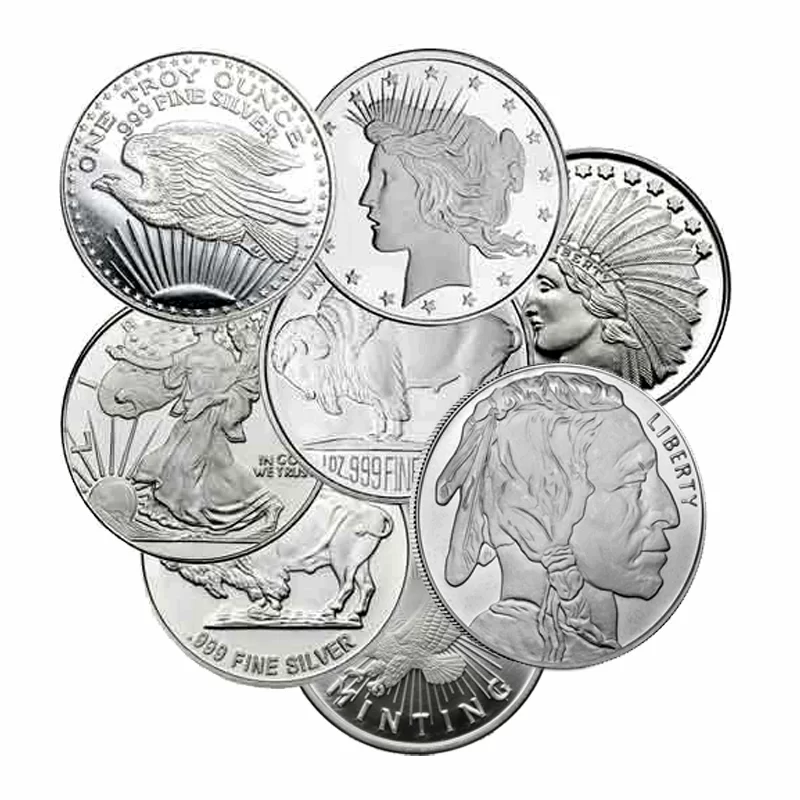
Silver’s lower price per ounce also makes physical precious-metal ownership accessible to investors who may not want to purchase full ounces of gold.
For many buyers, the answer isn’t necessarily gold or silver.
It’s gold and silver.
Don’t Wait for the Crisis to Start Buying Crisis Protection
There’s an old problem with safe-haven assets: everyone wants them once the reason for owning them becomes obvious.
By then, premiums can rise, physical inventory can tighten, and investors who waited may find themselves competing with thousands of other buyers for the same coins and bars.
The Dutch central bank isn’t waiting.
It is positioning its gold now.
That’s worth remembering.
No one knows exactly what the next financial crisis will look like, when it will arrive, or what ultimately triggers it. Anyone claiming otherwise is guessing.
But preparation doesn’t require predicting the future perfectly.
It requires recognizing risk before everyone else decides the risk is real.
For investors concerned about inflation, government debt, currency purchasing power, geopolitical instability, banking risk or simply preserving wealth outside the traditional financial system, now may be one of the most compelling times in decades to consider accumulating physical gold and silver.
Looking to Buy Gold or Silver in Jacksonville, Florida?
At King Philip Coin, we buy and sell physical gold, silver, bullion, rare coins, U.S. and foreign currency, and precious-metal collections.
If you’re in Jacksonville, Northeast Florida, or the surrounding area and you’re considering adding physical precious metals to your holdings, we can help you understand the different options available—from fractional gold and widely traded bullion coins to silver rounds, bars and other physical precious metals.
We also purchase gold and silver from individuals, estates and collectors, including bullion, coins, inherited collections and larger precious-metal holdings.
Don’t wait until the next financial crisis sends everyone looking for physical metal at the same time.
Whether you’re buying your first silver coins, adding gold to an existing collection, or looking to sell or evaluate precious metals you already own, contact King Philip Coin in Jacksonville, Florida or visit KingPhilipCoin.com to discuss your gold and silver needs.
Central banks understand why gold still matters.
Individual investors should understand it, too.
Sources & Further Reading
De Nederlandsche Bank (DNB), “DNB Improves Tradability of Gold Reserves,” September 2, 2026.
NOS Nieuws, “Nederland haalt groot deel van de goudvoorraad weg uit de VS en Canada,” September 2, 2026.
BBC News, reporting on the Dutch central bank and relocation of Netherlands gold reserves.
NBC News, reporting on the Dutch central bank’s shift of gold reserves from North America.
Reuters, precious-metals market coverage and reporting on the Dutch central bank’s 86-tonne gold relocation.
De Nederlandsche Bank, “Gold” — information regarding the Netherlands’ national gold reserves and gold’s role as an anchor of trust.
Armstrong Economics, commentary and analysis concerning the Netherlands’ relocation of gold reserves and geopolitical risk.