
What Does MS-65 Actually Mean? A Plain-English Guide to Coin Grades
If you’ve heard a coin described as “MS-65” or “AU-58” and had no idea what that meant, you’re not alone — grading numbers look like a secret code, but they’re actually a fairly logical scale once you know how to read it.
The Basics — the Sheldon Scale
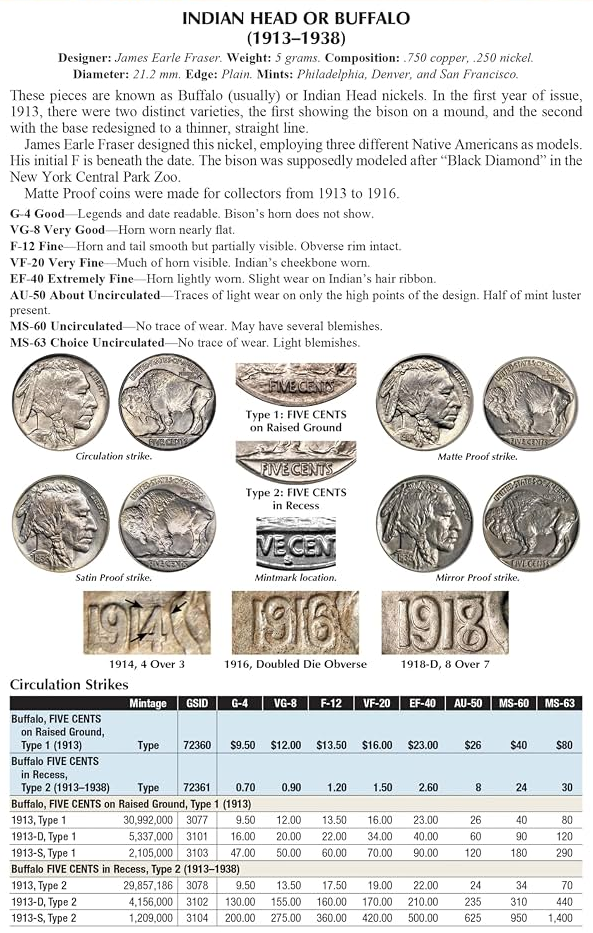
Coins are graded on a 1–70 scale, known as the Sheldon Scale. A 1 is barely identifiable; a 70 is theoretically perfect. Below 60 generally means the coin shows circulation wear; 60 and above means Mint State — it never circulated.
What “Mint State” Actually Means
MS doesn’t mean flawless — it means the coin never entered circulation, so any marks on it happened before it left the mint, from bag friction or contact with other coins, not from being spent and handled for years.
Reading the Number
MS-60 to MS-63: Mint State, but with more visible marks and less luster. MS-64 to MS-66: a solid, collector-desirable range — this is where MS-65 sits, often called “Gem.” MS-67 to MS-70: exceptional, increasingly rare condition.
AU, XF, and the Circulated Grades
AU (About Uncirculated) means a light trace of wear with most original luster intact. XF (Extremely Fine) means light overall wear with the design still sharp. These grades matter a lot for older or key-date coins, where a true Mint State example can be rare or effectively nonexistent.
Why the Number Matters — and Why It’s Not Everything
Grade drives value, but it’s one factor among several — rarity and demand for that specific date and mint combination matter just as much, sometimes more. For the full breakdown of how I actually grade a coin by eye, see the Coin Grading Guide.
Leave a Reply